From Sea-to-Plate Logistics to the Resilience of Island Horticulture.
The Geography of the Plate
Andaman’s culinary identity is a byproduct of its geography and its “Mini-India” demography. Because the islands are over 1,200 km from the mainland, “Process-Heavy” food is expensive and rare. What you get instead is Hyper-Localism.
The Seafood Standard
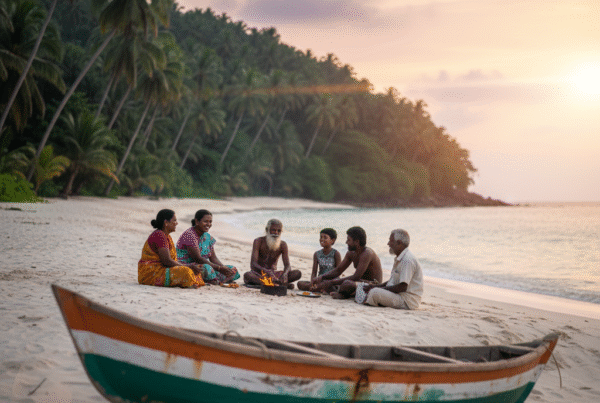
In a world of frozen exports, Andaman seafood is a luxury of timing. The local fishing community uses traditional line-fishing methods, which are more sustainable than large-scale trawling.
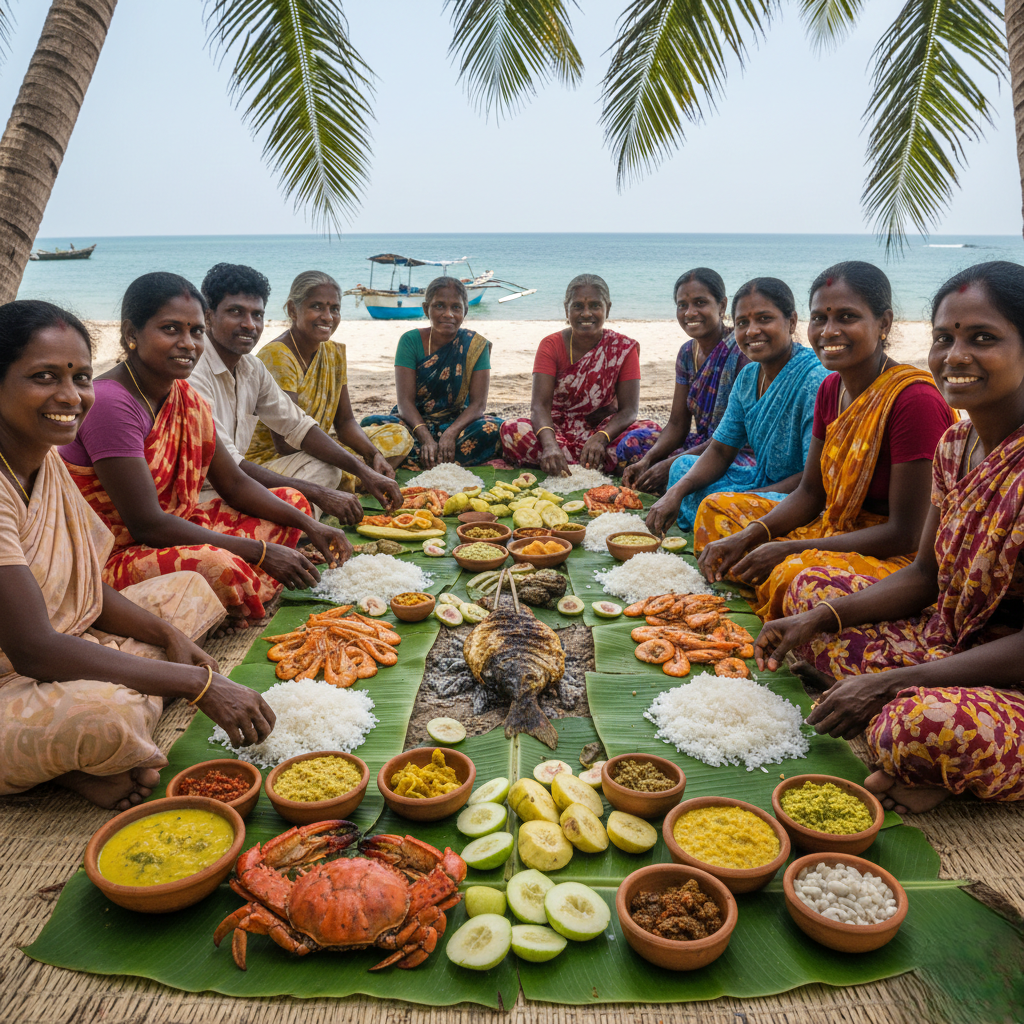
- The Catch: Red Snapper, King Prawns and the legendary Andaman Lobster.
- The Preparation: You won’t find complex “molecular gastronomy” here. The flavors are a blend of Bengali, Tamil and Malayali influences—using mustard oil, coconut milk and curry leaves.
The Organic Truth of the Soil
Because chemical fertilizers are difficult and expensive to transport to the islands, much of the inland produce—especially in Neil Island (Shaheed Dweep)—is naturally organic.
- The Andaman Banana: Forget the symmetrical, bright yellow bananas found in supermarkets. The local varieties are smaller, sometimes seeded and packed with a high potassium content that tastes like a different fruit entirely.
- King Coconuts: The water is sweeter here due to the high mineral content of the volcanic soil.
The “Hidden” Economy:
- Supply Chain: Most fresh vegetables arrive via ship from Kolkata or Chennai every few days. When you see “Local Spinach” on a menu, it literally means it was picked that morning from a backyard garden in a nearby village.
- Bliss Tip: Always ask for the “Catch of the Day.” If the weather was rough the night before, the best restaurants will tell you they don’t have certain fish. This honesty is the hallmark of Andaman dining.
The Bliss Data Corner
- Pesticide Usage: Neil Island (Shaheed Dweep) is moving toward 100% organic certification, with chemical usage significantly lower than the national average.
- Sustainability Metric: Over 90% of local fish is caught using “Line and Hook” or small nets, avoiding the industrial destruction of bottom trawling.
- Horticulture Diversity: The islands grow 20+ varieties of bananas, far exceeding the 2-3 varieties found in mainland commercial markets.